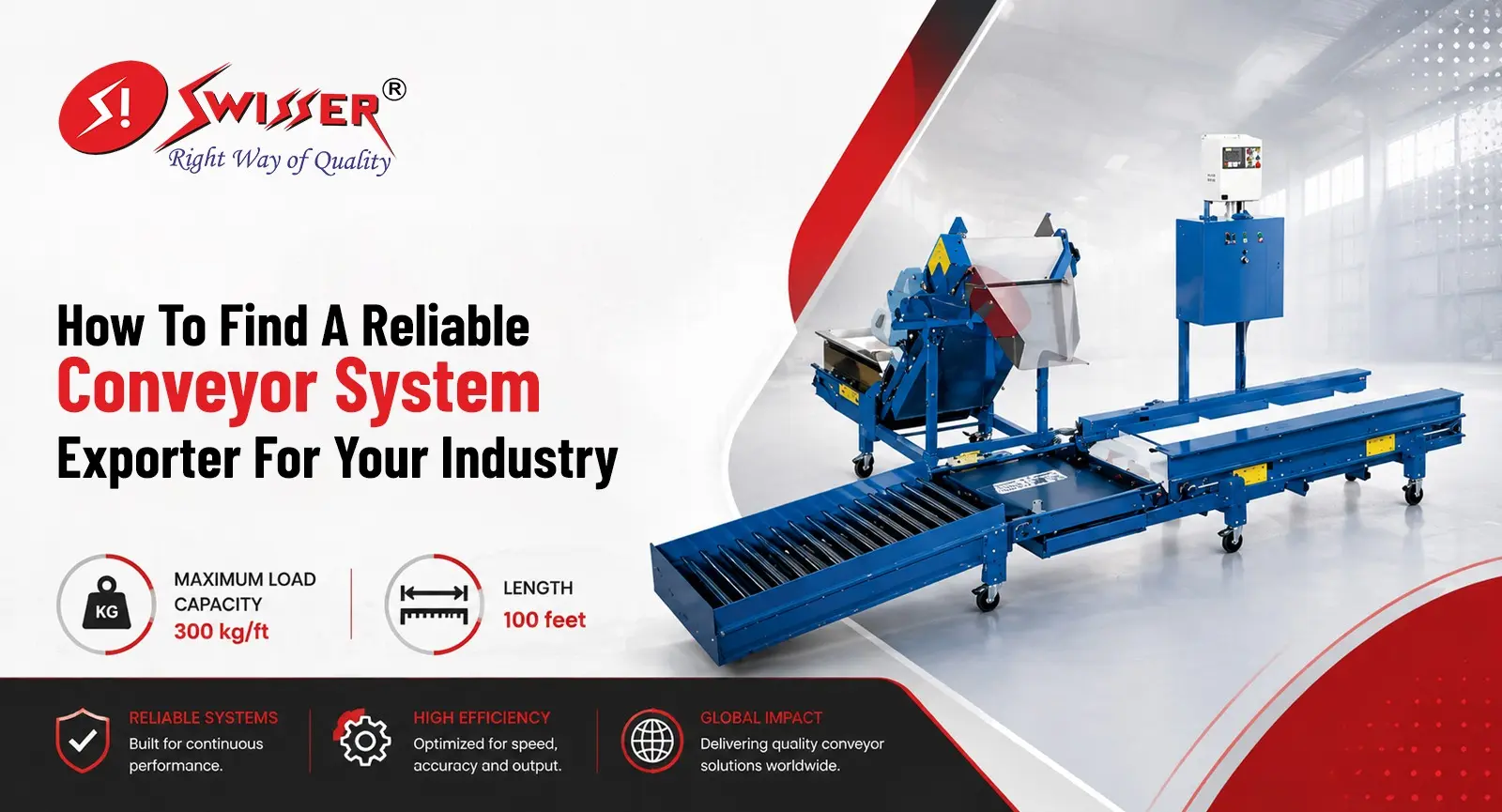
Overview: Buying a conveyor system from overseas is not the same as picking one off a local shelf. Lead times stretch, communication gets harder, and a mistake in the specification stage can cost weeks once equipment is already on a ship. Finding the right exporter comes down to checking a handful of things properly before you sign anything, including the paperwork and payment structure, which is where a lot of avoidable disputes start.
This blog covers:
Introduction
Sourcing a conveyor system internationally opens up more options, but it also adds risk a local purchase does not carry. A supplier overseas is harder to visit, harder to hold accountable quickly, and harder to switch away from once equipment is already being fabricated.
This blog walks through how to vet a conveyor belt manufacturer or exporter properly, what red flags to watch for, and what questions separate a serious supplier from one that just looks good on a website.
Defining Your Requirements Before You Contact Anyone
Getting quotes before you know exactly what you need for your conveyor system almost always leads to comparing apples to oranges later.
- Write down material characteristics, expected load weight, and required throughput before reaching out to anyone.
- Note your facility layout and any space constraints, since a conveyor that works on paper does not always fit the actual floor.
- Include environmental conditions too. Washdown requirements, temperature extremes, or cleanroom needs all change what kind of system actually fits your operation.
- Send the exact same specification document to every exporter you are considering. This is the only way to get quotes you can honestly compare side by side.
What Separates a Serious Exporter From a Risky One
Not every company listing conveyor equipment online is actually equipped to build and ship one reliably.
- Real engineering capability matters more than a large catalog. Ask whether the exporter designs systems in-house or assembles bought parts.
- Look for evidence of actual industry experience, not just claims. Case studies or photos of completed installations tell you more than a generic About page.
- A genuine conveyor system provider should be upfront about certifications relevant to your industry, whether general quality standards or something specific like food grade compliance.
- After-sales support is often where the real difference shows up, since spare parts availability and troubleshooting assistance matter more once equipment is running.
- Global Conveyor Supplier claims are easy to make on a website. Ask directly which countries they have shipped to and for contact details of a past customer.
Documentation and Payment Terms Worth Verifying
The paperwork side of an export deal gets overlooked far too often, and it is usually where disputes start.
- Ask which Incoterm the exporter quotes under, FOB, CIF, or otherwise, since this determines who arranges shipping insurance at each stage.
- Confirm what commercial documents will be provided, including the commercial invoice, packing list, certificate of origin, and any relevant test certificates.
- Payment terms matter as much as price. A staged structure tied to production milestones is generally safer than paying the full amount upfront.
- Check whether the exporter has shipped to your country before, since customs requirements vary widely and an unfamiliar exporter can cause delays.
- For larger orders, ask whether a third-party inspection before shipment is possible so problems get caught before equipment leaves the factory.
Questions to Ask Before Buying a Conveyor System
A short list of direct questions early on can save a lot of trouble later.
- Ask how the exporter handles design changes mid production, since specifications sometimes shift after the order is placed.
- Find out what happens if a part arrives damaged or a component fails shortly after installation, and get that in writing.
- Ask whether the conveyor solutions on offer are modular or fixed, since a modular design gives room to expand later without replacing the whole system.
- Confirm who handles installation guidance. Some exporters send a technician, others rely on manuals and remote support, and that difference matters more than people expect.
Lead Times and What Actually Affects Them
Timelines for a conveyor system vary a lot depending on what exactly you are ordering, and it helps to know roughly what to expect.
- Standard catalog conveyors from suppliers with quick ship programs can leave the factory in as little as one to three weeks.
- Custom-engineered industrial conveyor systems typically take eight to sixteen weeks from order to shipment, depending on complexity.
- A complete system, including controls integration and factory acceptance testing can take twelve to twenty-four weeks total.
- Ask for a realistic timeline in writing rather than a verbal estimate, and build in an extra buffer for shipping and customs.
Where Swisser Instruments Pvt. Ltd. Fits Into This
Swisser Instruments Pvt. Ltd. builds and exports a range of conveyor system models designed around the transparency and engineering depth this post has covered. If you want a straightforward conversation about specifications, timelines, and support, the team is available to walk through what your setup needs.